Hotop Silikon-Schlauch-FACTORY



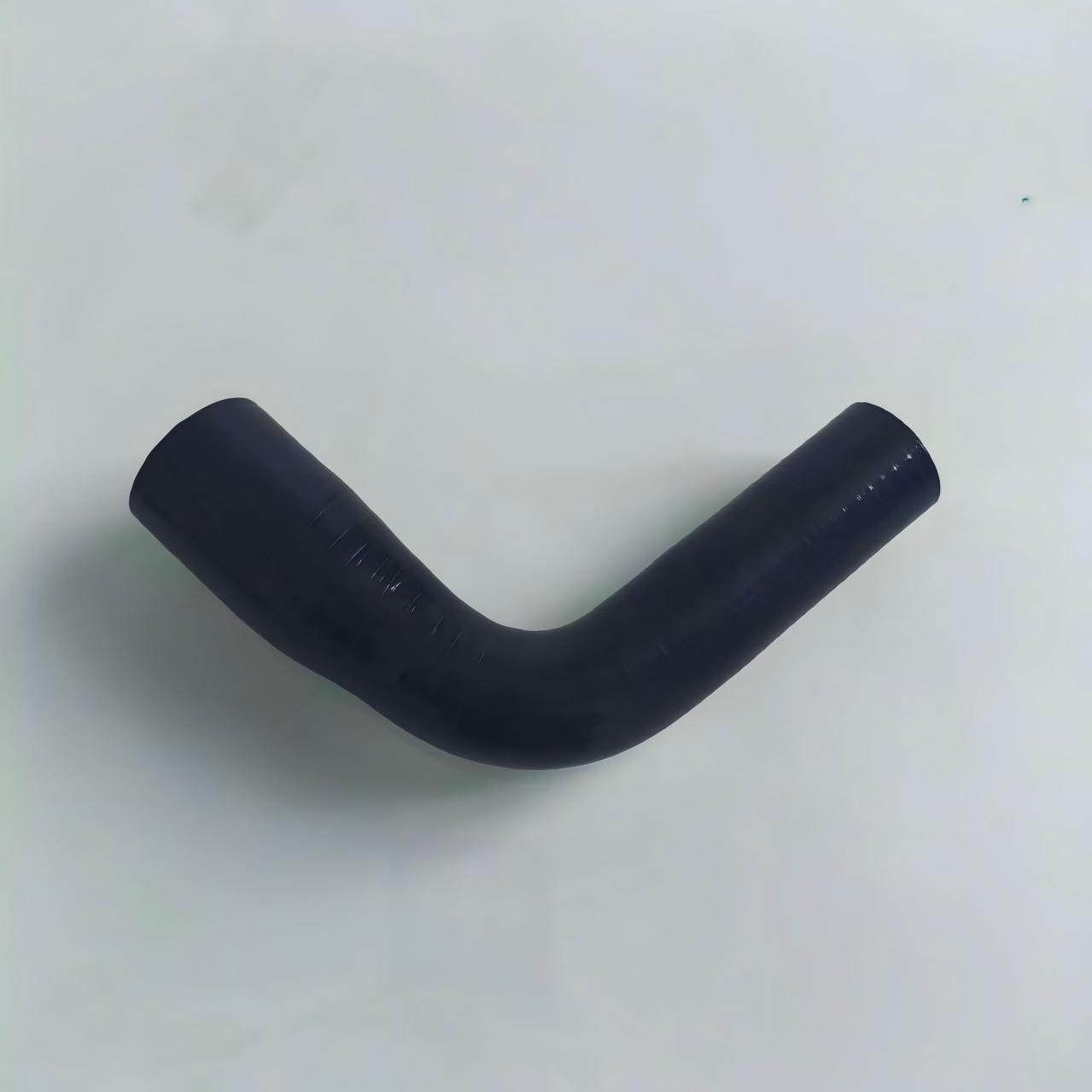
Flexibler Kühlerreduzierer
KATEGORIE UND TAGS:Silikon Kühlerschlauch costom siliocne hose, Flexible radiator reducer, silicone radiator, Silikon Kühlerschlauch
Hotop flexible radiator reducer is designed to connect coolant hoses of different diameters while maintaining smooth flow and reliable sealing. Made from reinforced silicone, it offers excellent flexibility, high-temperature resistance, and durability. Ideal for automotive and industrial cooling systems, radiator reducers ensure secure transitions, easy installation, and long service life under pressure.
Anfrage- Produktbeschreibung
Flexible Radiator Reducer Hose — Engineered Solution for Cooling & Thermal Systems
Product Overview
Der Flexible Radiator Reducer Hose is a high-performance, reinforced coolant hose designed for automotive and industrial thermal fluid applications. Built for reliable operation under wide temperature ranges, this hose combines advanced elastomer compounds with engineered reinforcement to deliver consistent pressure handling, Flexibilität, and durability across varying system conditions.
Flexible radiator hoses and reducers are used to adapt between differing diameters in coolant circuits while maintaining flow integrity, pressure resistance, and compliance with SAE J20 industrial standards.
flexible radiator reducer
Engineered Materials & Konstruktion
Our flexible radiator reducer hoses are constructed from premium heat-resistant elastomers with tailored reinforcement layers to balance pressure capability and flexibility:
»High-Temperature Elastomer Tube & Startseite – Designed for stable performance in elevated engine bay and industrial environments, with continuous operating temperature from −50 °C to +180 ° C and resistance to heat aging, Ozon, and environmental degradation.
»Reinforcement Layers – Multiple layers of synthetic textiles and/or high-strength braids are incorporated to achieve target working pressure and burst (bursting) strength per size and reinforcement configuration.
»Reducer Design – Provides a controlled transition between hose diameters while maintaining flow continuity and structural integrity.
This construction supports compliance with and exceeds SAE J20 standards for reinforced coolant hoses, ensuring reliable operation in demanding cooling and thermal management systems.
Performance Data — Pressure & Temperatur
Flexible radiator reducer hoses exhibit variable burst pressure and working pressure depending on internal diameter and reinforcement configuration. Typical engineering data are shown below (indicative values):
| Metrisch | Typical Range | Notes |
|---|---|---|
| Temperaturbereich | −50 °C to +180 ° C | Designed for harsh under-hood and industrial environments |
| Arbeitsdruck | Up to ~5 MPa (≈50 bar) | Varies with hose size and layer structure |
| Berstdruck | ~5 MPa to ~16 MPa | Burst pressure scales with diameter and reinforcement design |
| Verstärkungsoptionen | Single-ply / multi-ply textile, hybrid braid | Tailored to application pressure and dynamic loading |
Actual performance data should be confirmed with specific part numbers and engineering test reports. Custom reinforcement and compound options can be specified for higher performance requirements.
Einhaltung & Standards
The hose design is aligned with SAE J20 series requirements for reinforced elastomer hoses used in cooling systems. SAE J20 defines test protocols and performance criteria for elastomeric cooling system hoses, including thermal aging, burst resistance, dimensional stability, and material properties.
Key aspects validated through material and hose testing:
»Thermal aging resistance at elevated temperatures
»Hydrostatic and burst pressure capacity
»Flexibility and resistance to collapse
»Resistance to coolant additives and environmental factors
These elements ensure the hose meets industrial expectations for durability, safety, and lifecycle performance in automotive and industrial systems.
Engineering Test & Validierung
Performance validation typically includes rigorous tests such as:
»Hydrostatic & Burst-Test
Hoses are pressurized beyond expected working pressures until structural failure to determine burst limits, which for reinforced radiator reducer hoses can range up to ~16 MPa depending on size and reinforcement.
» Thermal Endurance Testing
Continuous exposure to high temperature environments to assess elastomer aging, mechanical property retention, and dimensional stability over time.
»Dynamic Flex & Fatigue Testing
Simulates vibration, flexing, und thermische Zyklen, die im realen Betrieb beobachtet wurden, um die langfristige Gebrauchstauglichkeit ohne Rissbildung zu bestätigen, Delaminierung, oder Festigkeitsverlust.
»SAE-Konformitätstests
Beinhaltet Tests gemäß SAE J20-Protokollen zur Überprüfung der physikalischen Eigenschaften, Alterungsleistung, und Maßtoleranzen, die für Kühlsystemschläuche erforderlich sind.
Zur Unterstützung können technische Prüfberichte zur Verfügung gestellt werden OEM-Zulassungen, Qualitätsaudits, und Systemqualifizierung.
Anwendungen
Flexible Kühler-Reduzierschläuche eignen sich für eine Vielzahl technischer Thermoflüssigkeitssysteme, einschließlich:
Automobilkühlung & Heating Systems
»Radiator inlet/outlet and heater core circuits
»Coolant distribution in light and heavy-duty vehicles
Used where standard molded hoses are not feasible, offering enhanced routing flexibility while maintaining coolant integrity.
High-Temperature Industrial Cooling
»Industrial heat exchangers
»Process cooling loops
»HVAC systems
Handles elevated temperatures and pressure demands in industrial thermal management.
Anpassung & Technische Unterstützung
We provide bespoke configurations based on system requirements:
»Custom internal diameters and reducer geometries
»Tailored reinforcement layers for higher burst and working pressures
»Specialized elastomer compounds for extreme environments
»Color coding or marking for traceability
Engineering support is available to match hose design to system fluid compatibility, pressure profile, Temperaturextreme, and mechanical routing constraints.
Anfrageformular (wir werden so schnell wie möglich bei Ihnen zurück)
Vielleicht gefällt Ihnen auch
Urheberrecht©2025 | Hotop Silikonschlauch | Sitemap |