



श्रेणियाँ
- सिलिकॉन नली को अनुकूलित करें (9)
- OEM सिलिकॉन नली (4)
- गुणवत्ता प्रबंधन प्रणाली (3)
- सिलिकॉन नली फैक्टरी (6)
- मशीन (6)
- ब्लॉग (16)
Silicone hoses are widely used in automotive, औद्योगिक, and EV applications. तथापि, failures can occur if design, materials, or manufacturing are not optimized. Understanding failure modes and root causes is key to long-term reliability.
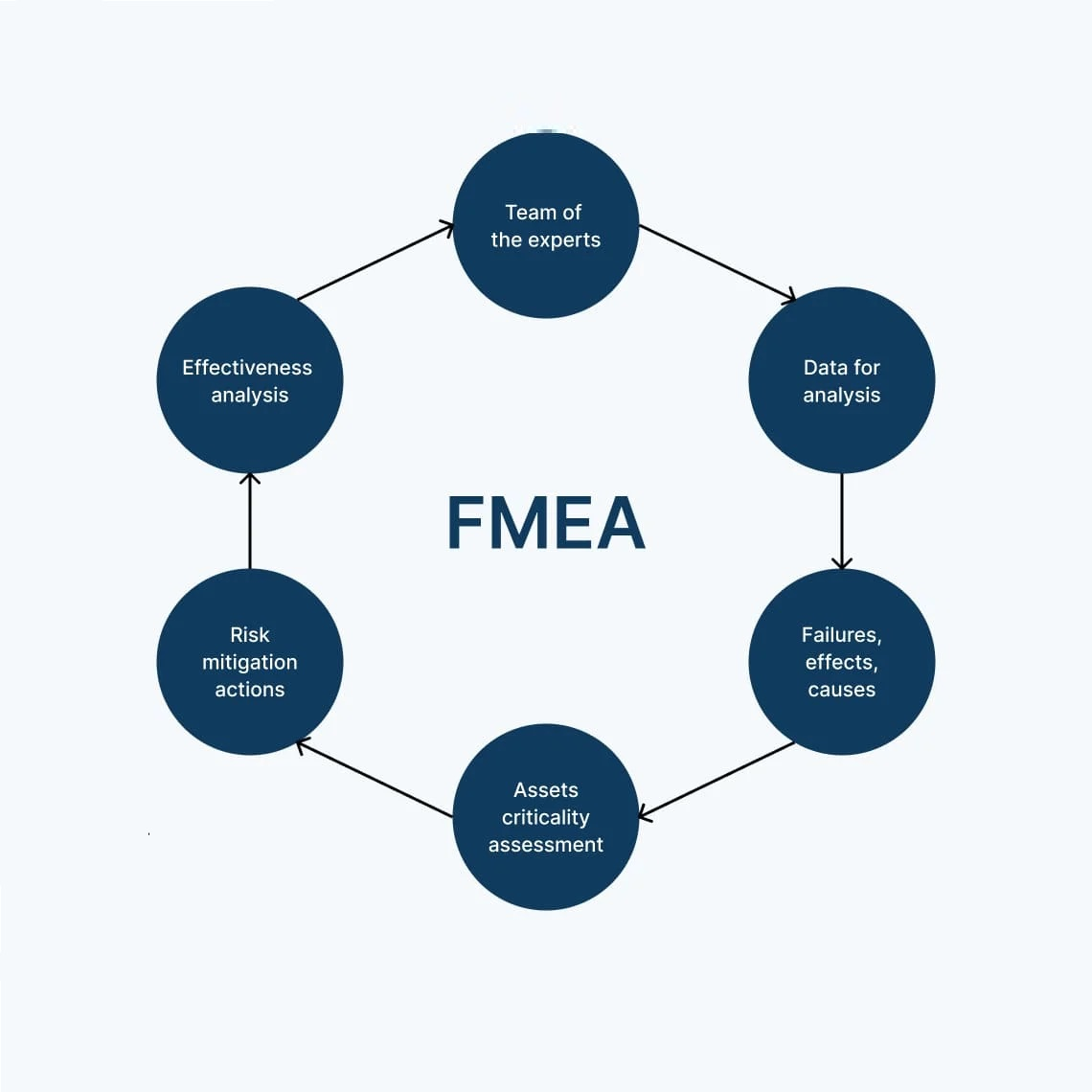
FMEA
»Cracking & Surface Degradation – Caused by thermal aging and excessive temperature cycles.
»Delamination – Separation between silicone layers or reinforcement under pressure or heat.
»Swelling & Softening – Oil, शीतलक, or chemical exposure can reduce mechanical strength.
»Burst or Blow-Off – Insufficient reinforcement or incorrect geometry under pressure.
»Material Incompatibility – Hardness, elongation, thermal expansion mismatch
»Reinforcement Issues – Poor adhesion or incorrect fiber orientation
»Process Control – Non-uniform vulcanization or incomplete curing
»Combined Stress Aging – Heat, दबाव, vibration over time
»Carefully matched silicone compounds
»Reinforcement pre-treatment and orientation optimization
»Controlled curing and batch traceability
»Pressure cycling and thermal aging validation
»Turbocharger hoses
»EV cooling loops
»Hydrogen fuel cell air circuits
»Industrial high-temperature hoses
Silicone hose failure is usually multi-factorial, involving material, सुदृढीकरण, and process. HOTOP’s engineering approach ensures hoses remain reliable under complex operating conditions.