



หมวดหมู่
- ปรับแต่งท่อซิลิโคน (9)
- สายยางซิลิโคน OEM (4)
- ระบบการจัดการคุณภาพ (3)
- โรงงานผลิตท่อซิลิโคน (6)
- เครื่องจักร (6)
- บล็อก (16)
ท่อซิลิโคนถูกนำมาใช้กันอย่างแพร่หลายในยานยนต์, ทางอุตสาหกรรม, และแอพพลิเคชั่น EV. อย่างไรก็ตาม, ความล้มเหลวสามารถเกิดขึ้นได้หากการออกแบบ, วัสดุ, หรือการผลิตไม่ได้รับการปรับให้เหมาะสม. ความเข้าใจ โหมดความล้มเหลวและสาเหตุที่แท้จริง คือกุญแจสำคัญสู่ความน่าเชื่อถือในระยะยาว.
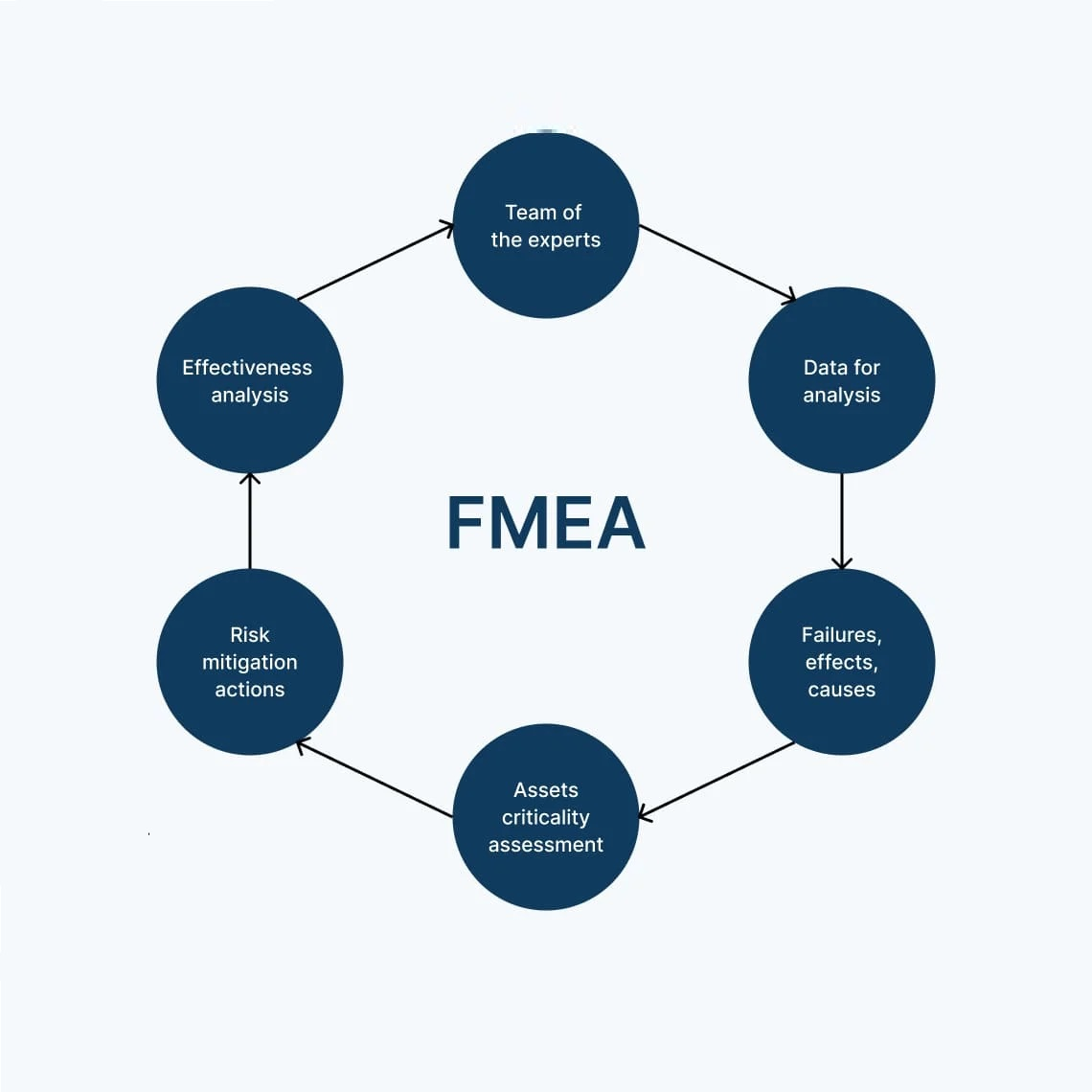
เอฟเอ็มอีเอ
-แคร็ก & การเสื่อมสภาพของพื้นผิว – เกิดจากการแก่ชราของความร้อนและวงจรอุณหภูมิที่มากเกินไป.
-การแยกชั้น – การแยกชั้นซิลิโคนหรือการเสริมแรงภายใต้แรงดันหรือความร้อน.
-บวม & อ่อนลง - น้ำมัน, สารหล่อเย็น, หรือการสัมผัสสารเคมีอาจทำให้ความแข็งแรงทางกลลดลง.
-ระเบิดหรือระเบิดออก – การเสริมแรงไม่เพียงพอหรือรูปทรงไม่ถูกต้องภายใต้ความกดดัน.
-ความไม่เข้ากันของวัสดุ – ความแข็ง, การยืดตัว, การขยายตัวทางความร้อนไม่ตรงกัน
-ประเด็นการเสริมกำลัง – การยึดเกาะไม่ดีหรือการวางแนวของเส้นใยไม่ถูกต้อง
-การควบคุมกระบวนการ – การวัลคาไนซ์ไม่สม่ำเสมอหรือการบ่มที่ไม่สมบูรณ์
-รวมอายุความเครียด - ความร้อน, ความดัน, การสั่นสะเทือนเมื่อเวลาผ่านไป
-จับคู่สารประกอบซิลิโคนอย่างระมัดระวัง
-การเสริมแรงล่วงหน้าและการเพิ่มประสิทธิภาพการวางแนว
-การบ่มที่ควบคุมและการตรวจสอบย้อนกลับแบบแบทช์
-การหมุนเวียนของแรงดันและการตรวจสอบอายุเนื่องจากความร้อน
-ท่อเทอร์โบชาร์จเจอร์
-ลูปการระบายความร้อน EV
-วงจรอากาศเซลล์เชื้อเพลิงไฮโดรเจน
-ท่ออุตสาหกรรมที่มีอุณหภูมิสูง
ท่อซิลิโคนมักจะชำรุด หลายปัจจัย, ที่เกี่ยวข้องกับวัสดุ, การเสริมแรง, และกระบวนการ. วิธีการทางวิศวกรรมของ HOTOP ช่วยให้มั่นใจได้ว่าสายยางยังคงเชื่อถือได้ภายใต้สภาวะการทำงานที่ซับซ้อน.