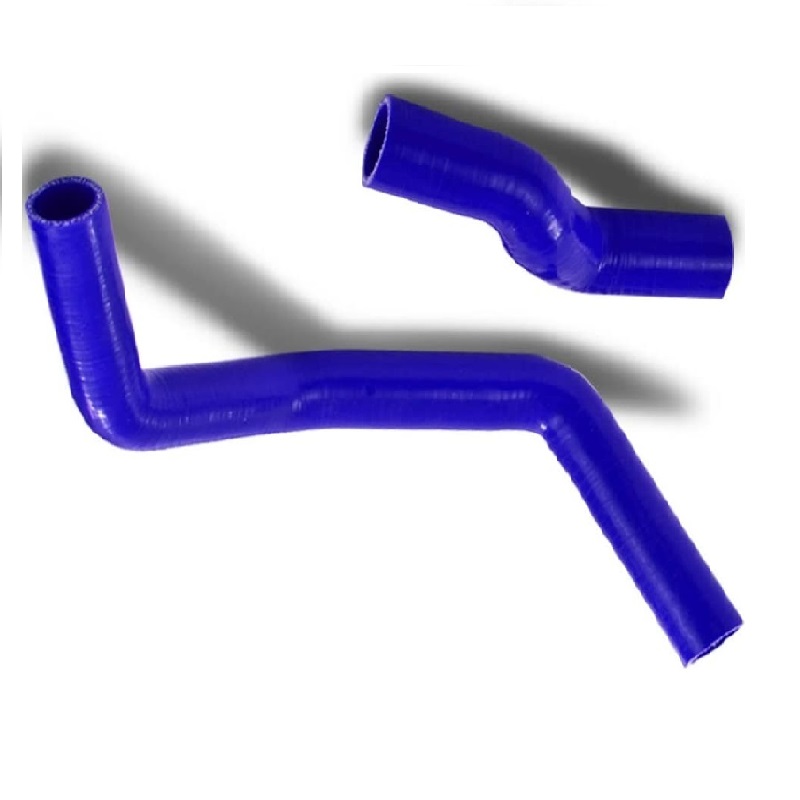
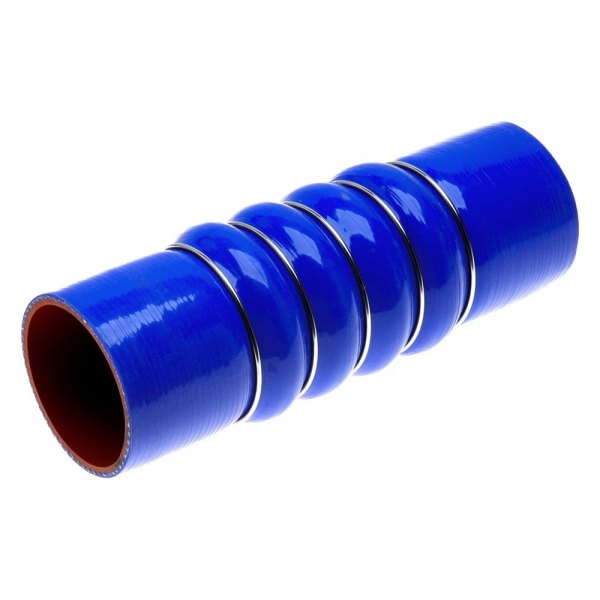
Ống silicon làm mát EV
– Failure Risks, Design Challenges and Engineering Solutions
HOTOP developed EV cooling silicone hoses through application-oriented engineering, thiết kế ống không chung chung.
EV Cooling System Operating Conditions
EV cooling silicone hoses are commonly used in:
»Battery thermal management systems
»Power electronics cooling circuits
»Electric motor cooling loops
»Integrated coolant distribution modules
Typical operating characteristics include:
»Continuous moderate temperature (often 60–120°C)
»Long service duration with minimal downtime
»Coolant exposure (water-glycol mixtures)
»Low tolerance for leakage or dimensional instability
»Compact installation space and complex routing
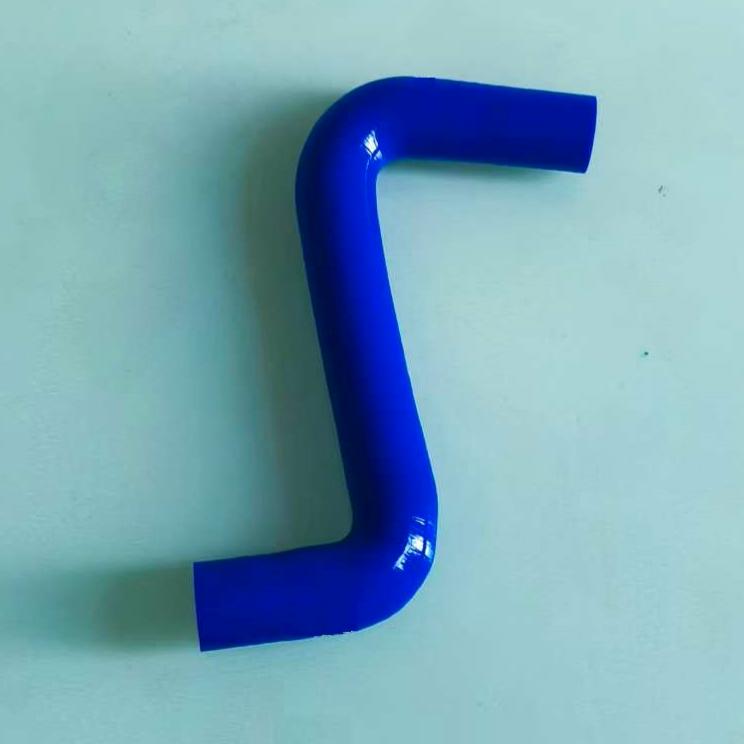
ống làm mát silicone
Common Failure Risks in EV Cooling Silicone Hoses
1. Coolant Permeation and Material Degradation
Long-term exposure to glycol-based coolants may gradually affect silicone compounds not specifically formulated for EV use.
Potential risks include:
»Giảm độ bền cơ học
»Surface softening
»Accelerated aging
2. Hose Swelling and Dimensional Instability
Material incompatibility with coolant formulations can cause:
»Hose expansion
»Clamp sealing instability
»Increased leakage risk over time
Dimensional stability is critical in EV platforms with limited installation tolerance.
3. Thermal Aging Under Continuous Operation
Unlike ICE vehicles, EV cooling systems often operate continuously for extended periods.
This accelerates thermal aging if material formulation and curing are not optimized.
4. Fatigue Failure from Vibration and System Integration
Electric motors and power electronics generate vibration profiles different from traditional engines.
Improper hose flexibility or reinforcement design may lead to fatigue cracking at connection points.
Key Design Challenges for EV Cooling Silicone Hoses
Material Compatibility
»Resistance to water-glycol coolants
»Low extractables to protect sensitive components
»Stable mechanical properties over long service life
Structural Stability
»Controlled expansion under pressure
»Stable geometry in compact routing
»Balanced flexibility and reinforcement strength
Cleanliness and Reliability
»Low contamination risk
»Consistent internal surface quality
»Reliable sealing at hose connections
HOTOP Engineering Solutions for EV Cooling Applications
Optimized Silicone Compound Selection
»Coolant-compatible silicone formulations
»Kiểm soát độ cứng và độ giãn dài cân bằng
»Long-term thermal aging resistance
Reinforcement and Hose Structure Design
»Multi-layer construction for dimensional stability
»Optimized reinforcement layout for pressure resistance
»Flexibility tailored to EV packaging constraints
Process Control and Quality Assurance
»Stable vulcanization process
»In-process inspection and traceability
»Consistent batch-to-batch performance
Xác thực theo định hướng ứng dụng
»Coolant aging tests
»Thermal cycling simulation
»Kiểm tra giữ áp suất và đạp xe
»Dimensional stability verification after aging
These validation methods reflect real EV cooling system conditions rather than isolated laboratory tests.
Typical EV Cooling Applications
»Battery pack inlet and outlet hoses
»Power electronics cooling hoses
»Electric motor cooling connections
»Integrated thermal management modules
Hỗ trợ kỹ thuật từ HOTOP
HOTOP provides full engineering support for EV cooling hose projects:
»Cooling system condition review
»Hose material and structure recommendation
»Prototype sampling and testing
»Sản xuất hàng loạt ổn định với thời gian sản xuất được kiểm soát
We support both low-volume development and scalable production programs.
Phần kết luận
EV cooling silicone hoses require a different design philosophy than traditional automotive hoses.
Long service life, dimensional stability, and coolant compatibility are critical success factors.
By applying engineering-driven material selection, thiết kế kết cấu, và xác nhận, HOTOP delivers silicone hose solutions optimized for modern EV thermal management systems.