Hotopシリコーンホース



シリコンエアインテークシステムソリューション
自動車用高性能エアインテークホースエンジニアリング & 産業用エンジン
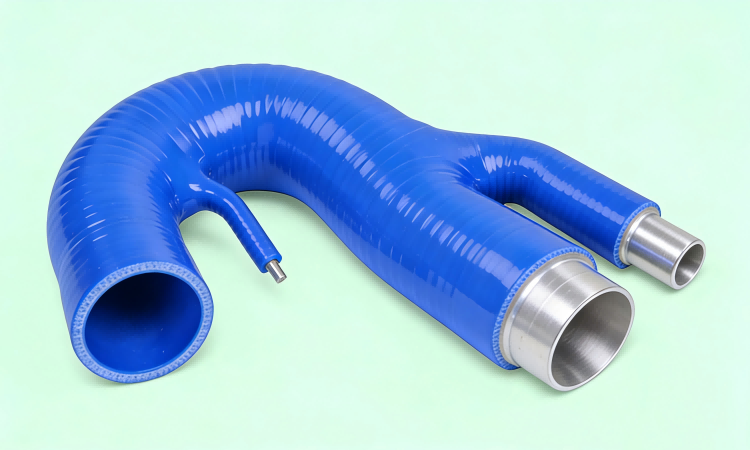
エアインテークシステム
1. 概要 | 吸気システムの技術要件
吸気システムは空気を供給する責任があります。 クリーン, 安定した測定された気流 エンジンの燃焼システムに.
シリコンエアインテークホースは広く使用されています。:
»自然吸気エンジン吸気システム
»ターボチャージャーおよびスーパーチャージャー付き吸気システム
»冷気吸気システム (蔡)
»産業用エンジン空気搬送システム
»大型トラックのインテークアセンブリ
従来のゴムホースとの比較, シリコンインテークホースが提供する:
»より高い耐熱性
»真空下での変形安定性の向上
»エアフローの一貫性の向上
»エンジンルームの熱下での耐用年数が延びる
2. 吸気系の使用環境
2.1 温度条件
吸気ホースは周囲の熱とエンジンルームの熱にさらされます。:
»外気取入口: -30℃~50℃
»エンジンベイの温度: 80℃~150℃
»ターボシステム吸入空気: 180℃~220℃まで (圧縮後、システムコンポーネントの近くで加熱)
»シャットダウン後のヒートソーク状態: 最大 200°C の局所暴露
エンジニアリング要件:
高品質シリコンインテークホース対応:
-60連続動作範囲 °C ~ 230°C
2.2 圧力条件
吸気システムは以下の環境で動作します。:
自然吸気エンジン:
»わずかな真空または大気圧に近い圧力
»圧力範囲: -0.2 に 0.2 バー
ターボエンジン:
»過給圧範囲: 0.5 – 3.5 バー
»高性能システム: 以下 4.0 バーピークスパイク
エンジニアリング上の重要な問題:
»真空下でホースが潰れる (冷気吸入吸引)
»過給圧によるホースの膨張
»AFRに影響を与える空気漏れ (空燃比の安定性)
2.3 流れ & 動的応力
吸気ホースは取り扱いが必要です:
»高い気流速度 (特にターボインレット)
»スロットルボディからの脈動気流
»エンジンの振動と動き
»吸気配管における圧力波の反射
3. シリコンエアインテークホース工学設計
3.1 マテリアルシステム
高性能インテークホース採用:
»VMQ 高温シリコーンゴム
»オプションのフルオロシリコン内層 (耐オイルミスト用)
»耐紫外線性および耐オゾン性添加剤
»エンジンベイに長時間さらされる場合のアンチエイジングスタビライザー
主な利点:
»時間が経っても硬化しない
»高温/低温サイクルでも安定した柔軟性
»優れた耐環境性
3.2 補強構造
エアインテークシリコンホースは通常使用されます:
»1–2プライ → 低圧吸気システム
»3 プライ → 標準的な自動車用吸気システム
»4 プライ → ターボチャージャー付き吸気システム
»5 プライ → ハイブーストパフォーマンスシステム
エンジニアリング機能:
»真空崩壊を防ぐ
»ブースト下でも構造的完全性を維持
»空気流の脈動下でのホースの変形を軽減します。
»クランプジョイントのシール性を向上
3.3 壁構造 & 流れの安定性
エンジニアリング設計が重視するのは、:
»滑らかな内面 (乱気流の減少)
»均一な肉厚
»緻密なエンジンベイ配線のための制御された柔軟性
»強化されたビード接続ゾーン
4. 技術的パフォーマンスデータ
| 財産 | ゴム製インテークホース | シリコンインテークホース |
|---|---|---|
| 温度範囲 | -40℃~120℃ | -60℃~230℃ |
| 耐真空性 | 中くらい | 高い |
| ブースト抵抗 | 中くらい | 高い |
| 耐老化性 | 中くらい | 素晴らしい |
| 柔軟性 | 時間の経過とともに劣化する | 長期安定 |
| 耐用年数 | 3–5年 | 5–10年以上 |
5. 吸気システムの用途
5.1 ターボチャージエアインテークシステム
»エアフィルターからターボインレットホースへ
»ターボインレットパイプ接続
»コンプレッサー入口ダクト
エンジニアリングの焦点:
»耐真空破壊性
»スムーズなエアフロー移行
»摂取制限の緩和
5.2 冷気取り入れ口 (蔡) システム
»フィルター移設吸気管
»フェンダーに取り付けられたインテークダクト
»パフォーマンスアフターマーケットインテークキット
エンジニアリングの焦点:
»エンジンベイからの断熱
»高回転時の安定したエアフロー
»振動下での構造剛性
5.3 自然吸気エンジンの吸気
»エアボックスからスロットルボディホースまで
»レゾネーター吸気管
»OEM交換用吸気チューブ
エンジニアリングの焦点:
»安定した風量測定
»空気漏れなし (MAFセンサーの精度)
»OEM 装備の互換性
5.4 耐久性の高い & 産業用吸気システム
»トラックエンジンの吸気ダクト
»建設機械用インテークホース
»発電機エンジンエアシステム
エンジニアリングの焦点:
»防塵性
»長期耐久性
»高い耐振動性
6. 故障モード & エンジニアリングソリューション
6.1 ホースのつぶれ (真空失敗)
原因:
»薄肉構造または低補強
解決:
»多層補強 (3–5層)
»大径ホース向けの構造リブ設計
6.2 ブースト時のホースの拡張
原因:
»補強強度が不足している
解決:
»アラミド/ノーメックス強化生地層
»壁厚を制御した設計
6.3 接続部のエア漏れ
原因:
»クランプのシール不良または寸法の不一致
解決:
»ビードロール加工されたパイプ端
»Tボルトクランプシステム
»厳しい公差の製造
6.4 熱老化 & 硬化
原因:
»エンジンベイの長時間の露出
解決:
»高温用VMQシリコーンコンパウンド
»耐紫外線性および耐オゾン性配合
7. エンジニアリングの選択ガイドライン
シリコンインテークホースを選択する場合, エンジニアは評価すべきだ:
»エンジンの種類 (それ / ターボ / スーパーチャージャー)
»真空圧とブースト圧の条件
»ホースの直径とエアフローの要件
»インストールルーティングの複雑さ
»温度暴露ゾーン (ホットサイド / コールドサイド)
»センサーの統合 (MAF/MAPの互換性)
8. HOTOP エンジニアリング能力
OEMおよびカスタムシリコンエアインテークソリューションを提供します:
»カスタム成形インテークホース設計
»マルチ直径インテークカプラー
»ターボインレットホースエンジニアリング
»冷気吸気システムの開発
»サンプルに基づくOEMリバースエンジニアリング
9. よくある質問
Q1: シリコンエアインテークホースの温度範囲はどれくらいですか?
一般的に -60℃~230℃, 配合と強化に応じて.
Q2: シリコンインテークホースはゴムホースよりも優れていますか?
はい. より優れた耐熱性を提供します, 長寿命, 変形安定性の向上.
Q3: シリコンインテークホースはパフォーマンスを向上させますか?
直接的にパワーを高めるわけではありません, ただし、気流の安定性が向上し、制限が軽減されます.
Q4: シリコンホースはターボインテークシステムに使用できますか?
はい, 強化シリコンホース (3–5層) ターボチャージャー付き吸気システムで広く使用されています.
10. 結論
吸気システムにはメンテナンス用のホースが必要です。 安定したエアフロー, 構造的完全性, 真空および圧力条件下での長期耐久性.
エンジニアリンググレードのシリコンインテークホースは、:
»安定したエアフロー性能
»高温耐性
»真空崩壊防止
»エンジン環境での長寿命
著作権©2025 | Hotopシリコーンホース | サイトマップ |