Selang Silikon Hotop



Solusi Sistem Asupan Udara Silikon
Rekayasa Selang Pemasukan Udara Kinerja Tinggi untuk Otomotif & Mesin Industri
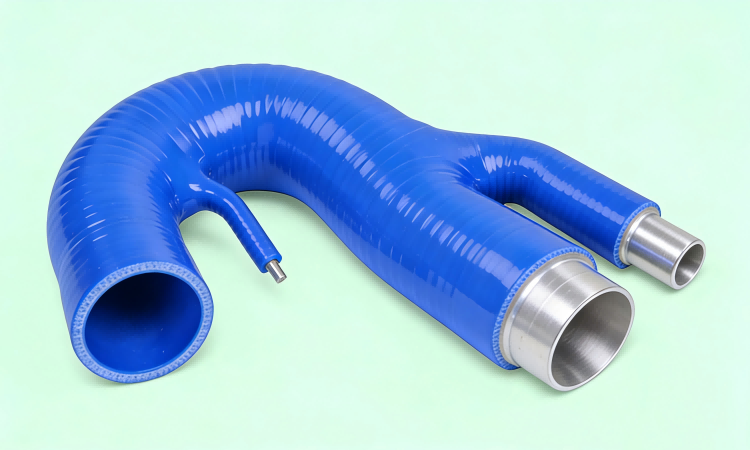
Sistem Asupan Udara
1. Ringkasan | Persyaratan Rekayasa Sistem Asupan Udara
Sistem pemasukan udara bertanggung jawab untuk pengiriman membersihkan, aliran udara yang stabil dan terukur ke dalam sistem pembakaran mesin.
Selang pemasukan udara silikon banyak digunakan:
»Sistem asupan mesin yang disedot secara alami
»Sistem asupan turbocharged dan supercharged
»Sistem pemasukan udara dingin (CAI)
»Sistem perpindahan udara mesin industri
»Rakitan pemasukan truk tugas berat
Dibandingkan dengan selang karet tradisional, selang masuk silikon disediakan:
»Ketahanan suhu yang lebih tinggi
»Stabilitas deformasi yang lebih baik di bawah vakum
»Peningkatan konsistensi aliran udara
»Masa pakai lebih lama di bawah panas ruang mesin
2. Lingkungan Kerja Sistem Asupan Udara
2.1 Kondisi Suhu
Selang pemasukan udara terkena panas lingkungan dan ruang mesin:
»Asupan udara sekitar: -30°C hingga 50 °C
»Suhu ruang mesin: 80°C – 150 °C
»Udara masuk sistem turbo: hingga 180°C – 220°C (setelah pemanasan kompresi di dekat komponen sistem)
»Kondisi rendam panas setelah dimatikan: paparan lokal hingga 200°C
Persyaratan teknik:
Dukungan selang masuk silikon berkualitas tinggi:
-60°C hingga 230 °C rentang pengoperasian terus menerus
2.2 Kondisi Tekanan
Sistem pemasukan udara beroperasi di bawah:
Mesin yang disedot secara alami:
»Sedikit vakum atau mendekati tekanan atmosfer
»Kisaran tekanan: -0.2 ke 0.2 batang
Mesin turbocharged:
»Tingkatkan rentang tekanan: 0.5 – 3.5 batang
»Sistem berkinerja tinggi: hingga 4.0 paku puncak batang
Masalah rekayasa utama:
»Selang runtuh dalam kondisi vakum (hisapan pemasukan udara dingin)
»Ekspansi selang di bawah tekanan tambahan
»Kebocoran udara mempengaruhi AFR (stabilitas rasio udara-bahan bakar)
2.3 Mengalir & Stres Dinamis
Selang pemasukan udara harus dapat menangani:
»Kecepatan aliran udara tinggi (terutama saluran masuk turbo)
»Aliran udara berdenyut dari throttle body
»Getaran dan pergerakan mesin
»Refleksi gelombang tekanan pada pipa intake
3. Desain Rekayasa Selang Asupan Udara Silikon
3.1 Sistem Material
Penggunaan selang masuk berkinerja tinggi:
»Karet silikon suhu tinggi VMQ
»Lapisan dalam fluorosilicone opsional (untuk ketahanan terhadap kabut minyak)
»Aditif tahan UV dan ozon
»Stabilisator anti-penuaan untuk paparan ruang mesin yang lama
Manfaat utama:
»Tidak ada pengerasan seiring waktu
»Fleksibilitas yang stabil dalam siklus panas/dingin
»Ketahanan lingkungan yang sangat baik
3.2 Struktur Penguatan
Selang silikon pemasukan udara biasanya digunakan:
»1–2 lapis → sistem pemasukan tekanan rendah
»3 lapis → sistem asupan otomotif standar
»4 lapis → sistem pemasukan turbocharged
»5 lapis → sistem kinerja peningkatan tinggi
Fungsi rekayasa:
»Mencegah keruntuhan vakum
»Pertahankan integritas struktural di bawah dorongan
»Mengurangi deformasi selang akibat denyut aliran udara
»Meningkatkan penyegelan pada sambungan penjepit
3.3 Struktur Dinding & Stabilitas Aliran
Desain teknik berfokus pada:
»Permukaan bagian dalam halus (turbulensi berkurang)
»Ketebalan dinding seragam
»Fleksibilitas terkontrol untuk perutean ruang mesin yang ketat
»Zona koneksi manik yang diperkuat
4. Data Kinerja Teknis
| Milik | Selang Masuk Karet | Selang Masuk Silikon |
|---|---|---|
| Kisaran Suhu | -40°C hingga 120 °C | -60°C hingga 230 °C |
| Ketahanan Vakum | Sedang | Tinggi |
| Meningkatkan Resistensi | Sedang | Tinggi |
| Resistensi Penuaan | Sedang | Bagus sekali |
| Fleksibilitas | Menurun seiring waktu | Stabil dalam jangka panjang |
| Kehidupan Pelayanan | 3–5 tahun | 5–10+ tahun |
5. Aplikasi Sistem Asupan Udara
5.1 Sistem Asupan Udara Turbocharged
»Filter udara ke selang saluran masuk turbo
»Sambungan pipa saluran masuk turbo
»Saluran masuk kompresor
Fokus teknik:
»Resistensi keruntuhan vakum
»Transisi aliran udara yang lancar
»Mengurangi pembatasan asupan
5.2 Asupan Udara Dingin (CAI) Sistem
»Filter pipa pemasukan relokasi
»Saluran masuk yang dipasang di spatbor
»Kit asupan aftermarket kinerja
Fokus teknik:
»Isolasi panas dari ruang mesin
»Aliran udara stabil di bawah RPM tinggi
»Kekakuan struktural di bawah getaran
5.3 Asupan Mesin yang Disedot Secara Alami
»Selang airbox ke throttle body
»Pipa pemasukan resonator
»Tabung masukan pengganti OEM
Fokus teknik:
»Pengukuran aliran udara yang stabil
»Tidak ada kebocoran udara (Akurasi sensor MAF)
»Kompatibilitas perlengkapan OEM
5.4 Tugas Berat & Sistem Intake Industri
»Saluran masuk mesin truk
»Selang pemasukan mesin konstruksi
»Sistem udara mesin generator
Fokus teknik:
»Ketahanan terhadap debu
»Daya tahan jangka panjang
»Daya tahan getaran tinggi
6. Mode Kegagalan & Solusi Rekayasa
6.1 Selang Runtuh (Kegagalan Vakum)
Menyebabkan:
»Struktur dinding tipis atau tulangan rendah
Larutan:
»Penguatan multi lapis (3–5 lapisan)
»Desain ribbing struktural untuk selang berdiameter besar
6.2 Ekspansi Selang Saat Didorong
Menyebabkan:
»Kekuatan penguatan tidak mencukupi
Larutan:
»Lapisan kain yang diperkuat Aramid/Nomex
»Desain ketebalan dinding terkontrol
6.3 Kebocoran Udara pada Sambungan
Menyebabkan:
»Penyegelan penjepit yang buruk atau ketidaksesuaian dimensi
Larutan:
»Ujung pipa yang digulung manik
»Sistem penjepit baut-T
»Manufaktur toleransi yang ketat
6.4 Penuaan Panas & Pengerasan
Menyebabkan:
»Paparan ruang mesin dalam waktu lama
Larutan:
»Senyawa silikon VMQ suhu tinggi
»Formulasi tahan UV dan ozon
7. Pedoman Seleksi Teknik
Saat memilih selang masuk silikon, para insinyur harus mengevaluasi:
»Jenis mesin (ITU / Turbo / Bertenaga super)
»Kondisi vakum vs peningkatan tekanan
»Diameter selang dan kebutuhan aliran udara
»Kompleksitas perutean instalasi
»Zona paparan suhu (sisi panas / sisi dingin)
»Integrasi sensor (Kompatibilitas MAF/MAP)
8. PANAS Kemampuan Rekayasa
Kami menyediakan solusi asupan udara silikon OEM dan khusus:
»Desain selang masuk yang dibentuk khusus
»Skrup asupan multi-diameter
»Rekayasa selang saluran masuk turbo
»Pengembangan sistem pemasukan udara dingin
»Rekayasa balik OEM berdasarkan sampel
9. Pertanyaan Umum
Q1: Berapa kisaran suhu selang pemasukan udara silikon?
Khas -60°C hingga 230 °C, tergantung pada formulasi dan penguatan.
Q2: Apakah selang masuk silikon lebih baik daripada selang karet?
Ya. Mereka menawarkan ketahanan panas yang lebih baik, umur yang lebih panjang, dan meningkatkan stabilitas deformasi.
Q3: Apakah selang pemasukan silikon meningkatkan kinerja?
Mereka tidak secara langsung meningkatkan tenaga, tetapi meningkatkan stabilitas aliran udara dan mengurangi pembatasan.
Q4: Bisakah selang silikon digunakan untuk sistem intake turbo?
Ya, selang silikon yang diperkuat (3–5 lapis) banyak digunakan dalam sistem asupan turbocharged.
10. Kesimpulan
Sistem pemasukan udara memerlukan selang yang dapat dirawat aliran udara yang stabil, integritas struktural, dan daya tahan jangka panjang dalam kondisi vakum dan tekanan.
Selang pemasukan silikon tingkat teknik menyediakan:
»Kinerja aliran udara yang stabil
»Tahan suhu tinggi
»Perlindungan keruntuhan vakum
»Masa pakai yang lama di lingkungan mesin
Hak Cipta©2025 | Selang Silikon Hotop | Peta Situs |