Hotop Silikon Hos



Penyelesaian Sistem Pengambilan Udara Silikon
Kejuruteraan Hos Pengambilan Udara Berprestasi Tinggi untuk Automotif & Enjin Perindustrian
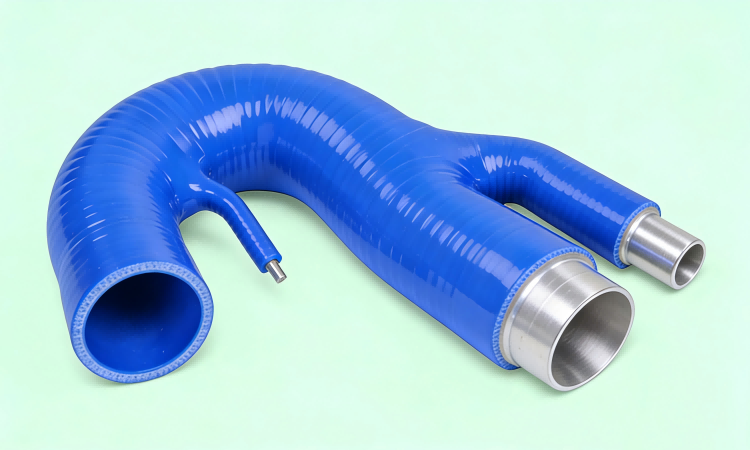
Sistem Pengambilan Udara
1. Gambaran keseluruhan | Keperluan Kejuruteraan Sistem Pengambilan Udara
Sistem pengambilan udara bertanggungjawab untuk menghantar Bersih, aliran udara yang stabil dan terukur ke dalam sistem pembakaran enjin.
Hos pengambilan udara silikon digunakan secara meluas dalam:
»Sistem pengambilan enjin yang disedut semula jadi
»Sistem pengambilan turbo dan supercharged
»Sistem pengambilan udara sejuk (CAI)
»Sistem pemindahan udara enjin industri
»Perhimpunan pengambilan trak tugas berat
Berbanding dengan hos getah tradisional, hos pengambilan silikon menyediakan:
»Rintangan suhu yang lebih tinggi
»Kestabilan ubah bentuk yang lebih baik di bawah vakum
»Kekonsistenan aliran udara yang lebih baik
»Hayat perkhidmatan yang lebih lama di bawah haba ruang enjin
2. Persekitaran Kerja Sistem Pengambilan Udara
2.1 Keadaan Suhu
Hos pengambilan udara terdedah kepada haba ambien dan ruang enjin:
»Pengambilan udara persekitaran: -30°C hingga 50°C
»Suhu ruang enjin: 80°C – 150°C
»Udara masuk sistem turbo: sehingga 180°C – 220°C (selepas pemanasan mampatan berhampiran komponen sistem)
»Keadaan rendam haba selepas ditutup: sehingga 200°C pendedahan setempat
Keperluan kejuruteraan:
Sokongan hos pengambilan silikon berkualiti tinggi:
-60°C hingga 230°C julat operasi berterusan
2.2 Keadaan Tekanan
Sistem pengambilan udara beroperasi di bawah:
Enjin beraspirasi semula jadi:
»Vakum sedikit atau berhampiran tekanan atmosfera
»Julat tekanan: -0.2 ke 0.2 bar
Enjin pengecas turbo:
»Tingkatkan julat tekanan: 0.5 – 3.5 bar
»Sistem berprestasi tinggi: hingga 4.0 pancang puncak bar
Isu kejuruteraan utama:
»Hos runtuh di bawah vakum (sedutan pengambilan udara sejuk)
»Pengembangan hos di bawah tekanan rangsangan
»Kebocoran udara menjejaskan AFR (kestabilan nisbah udara-bahan api)
2.3 Aliran & Tekanan Dinamik
Hos pengambilan udara mesti dikendalikan:
»Halaju aliran udara yang tinggi (terutamanya salur masuk turbo)
»Aliran udara berdenyut dari badan pendikit
»Getaran dan pergerakan enjin
»Pantulan gelombang tekanan dalam paip masukan
3. Reka Bentuk Kejuruteraan Hos Pengambilan Udara Silikon
3.1 Sistem Bahan
Penggunaan hos pengambilan berprestasi tinggi:
»Getah silikon suhu tinggi VMQ
»Lapisan dalaman fluorosilicone pilihan (untuk rintangan kabus minyak)
»Bahan tambahan tahan UV dan ozon
»Penstabil anti-penuaan untuk pendedahan ruang enjin yang lama
Faedah utama:
»Tiada pengerasan dari masa ke masa
»Fleksibiliti stabil dalam kitaran panas/sejuk
»Rintangan alam sekitar yang sangat baik
3.2 Struktur Pengukuhan
Hos silikon pengambilan udara biasanya digunakan:
»1–2 lapis → sistem pengambilan tekanan rendah
»3 lapis → sistem pengambilan automotif standard
»4 lapis → sistem pengambilan turbo
»5 lapis → sistem prestasi tinggi
Fungsi kejuruteraan:
»Cegah keruntuhan vakum
»Mengekalkan integriti struktur di bawah rangsangan
»Kurangkan ubah bentuk hos di bawah denyutan aliran udara
»Memperbaiki pengedap pada sambungan pengapit
3.3 Struktur Dinding & Kestabilan Aliran
Reka bentuk kejuruteraan memberi tumpuan kepada:
»Permukaan dalam yang licin (pergolakan berkurangan)
»Ketebalan dinding seragam
»Fleksibiliti terkawal untuk penghalaan ruang enjin yang ketat
»Zon sambungan manik bertetulang
4. Data Prestasi Teknikal
| Harta benda | Hos Pengambilan Getah | Hos pengambilan silikon |
|---|---|---|
| Julat Suhu | -40°C hingga 120°C | -60°C hingga 230°C |
| Rintangan Vakum | Sederhana | tinggi |
| Tingkatkan Rintangan | Sederhana | tinggi |
| Ketahanan Penuaan | Sederhana | Cemerlang |
| Fleksibiliti | Merosot dari semasa ke semasa | Stabil jangka panjang |
| Hayat Perkhidmatan | 3–5 tahun | 5–10+ tahun |
5. Aplikasi Sistem Pengambilan Udara
5.1 Sistem Pengambilan Udara Bercas Turbo
»Penapis udara ke hos masuk turbo
»Sambungan paip masuk turbo
»Salur masuk pemampat
Fokus kejuruteraan:
»Rintangan keruntuhan vakum
»Peralihan aliran udara yang lancar
»Mengurangkan sekatan pengambilan
5.2 Pengambilan Udara Sejuk (CAI) Sistem
»Penapis relokasi paip pengambilan
»Saluran masuk yang dipasang pada fender
»Kit pengambilan selepas pasaran prestasi
Fokus kejuruteraan:
»Pengasingan haba dari ruang enjin
»Aliran udara stabil di bawah RPM tinggi
»Ketegaran struktur di bawah getaran
5.3 Pengambilan Enjin Beraspirasi Semulajadi
»Peti udara untuk mendikit hos badan
»Paip pengambilan resonator
»Tiub pengambilan gantian OEM
Fokus kejuruteraan:
»Pengukuran aliran udara yang stabil
»Tiada kebocoran udara (Ketepatan sensor MAF)
»Keserasian kelengkapan OEM
5.4 Tugas Berat & Sistem Pengambilan Industri
»Saluran masuk enjin trak
»Hos pengambilan jentera pembinaan
»Sistem udara enjin penjana
Fokus kejuruteraan:
»Rintangan habuk
»Ketahanan jangka panjang
»Ketahanan getaran yang tinggi
6. Mod Kegagalan & Penyelesaian Kejuruteraan
6.1 Hos Runtuh (Kegagalan Vakum)
sebab:
»Struktur dinding nipis atau tetulang rendah
Penyelesaian:
»Tetulang berbilang lapis (3-5 lapisan)
»Reka bentuk ribbing struktur untuk hos diameter besar
6.2 Pengembangan Hos Di Bawah Galak
sebab:
»Kekuatan tetulang tidak mencukupi
Penyelesaian:
»Lapisan fabrik bertetulang Aramid/Nomex
»Reka bentuk ketebalan dinding terkawal
6.3 Kebocoran Udara di Sambungan
sebab:
»Pengedap pengapit yang lemah atau ketidakpadanan dimensi
Penyelesaian:
»Hujung paip bergulung manik
»Sistem pengapit T-bolt
»Pembuatan toleransi yang ketat
6.4 Penuaan Haba & Pengerasan
sebab:
»Pendedahan ruang enjin yang berpanjangan
Penyelesaian:
»Kompaun silikon VMQ suhu tinggi
»Formulasi tahan UV dan ozon
7. Garis Panduan Pemilihan Kejuruteraan
Apabila memilih hos pengambilan silikon, jurutera harus menilai:
»Jenis enjin (ITU / Turbo / Supercharged)
»Keadaan tekanan vakum vs rangsangan
»Diameter hos dan keperluan aliran udara
»Kerumitan penghalaan pemasangan
»Zon pendedahan suhu (sebelah panas / sebelah sejuk)
»Penyepaduan sensor (Keserasian MAF/MAP)
8. HOTOP Keupayaan Kejuruteraan
Kami menyediakan penyelesaian pengambilan udara OEM dan silikon tersuai:
»Reka bentuk hos pengambilan acuan tersuai
»Pengganding pengambilan berbilang diameter
»Kejuruteraan hos masuk turbo
»Pembangunan sistem pengambilan udara sejuk
»Kejuruteraan terbalik OEM berdasarkan sampel
9. Soalan Lazim
S1: Apakah julat suhu hos pengambilan udara silikon?
Lazimnya -60°C hingga 230°C, bergantung kepada rumusan dan peneguhan.
S2: Adakah hos pengambilan silikon lebih baik daripada hos getah?
Ya. Mereka menawarkan rintangan haba yang lebih baik, jangka hayat yang lebih lama, dan kestabilan ubah bentuk yang lebih baik.
S3: Adakah hos pengambilan silikon meningkatkan prestasi?
Mereka tidak secara langsung meningkatkan kuasa, tetapi meningkatkan kestabilan aliran udara dan mengurangkan sekatan.
S4: Bolehkah hos silikon digunakan untuk sistem pengambilan turbo?
Ya, hos silikon bertetulang (3–5 lapis) digunakan secara meluas dalam sistem pengambilan turbo.
10. Kesimpulan
Sistem pengambilan udara memerlukan hos yang menyelenggara aliran udara yang stabil, integriti struktur, dan ketahanan jangka panjang di bawah keadaan vakum dan tekanan.
Hos pengambilan silikon gred kejuruteraan menyediakan:
»Prestasi aliran udara yang stabil
»Rintangan suhu tinggi
»Perlindungan keruntuhan vakum
»Hayat perkhidmatan yang panjang dalam persekitaran enjin
Hak Cipta©2025 | Hotop Silikon Hos | Sitemap |