Hotop Silicone Hose



Vacuum Testing
» Testing & Validation » Vacuum Testing
0Vacuum (Negative Pressure) Testing for Silicone Hoses
Silicone Hose – 4-Layer Reinforced, Bent Structure
1. Test Overview
This vacuum resistance test was conducted on a custom silicone hose designed for high-demand automotive applications.
The purpose of this test is to verify structural stability under negative pressure conditions, ensuring no collapse or deformation during real-world vacuum operation.
2. Test Specimen
- Inner Diameter: 47.6 – 58.7 mm
- Length: 210 mm
- Shape: Bent / curved structure (center bend)
- Wall Thickness: 5 mm
- Reinforcement Layer: 4-layer construction
This configuration is typically used in demanding intake or vacuum-related systems where both flexibility and structural integrity are required.
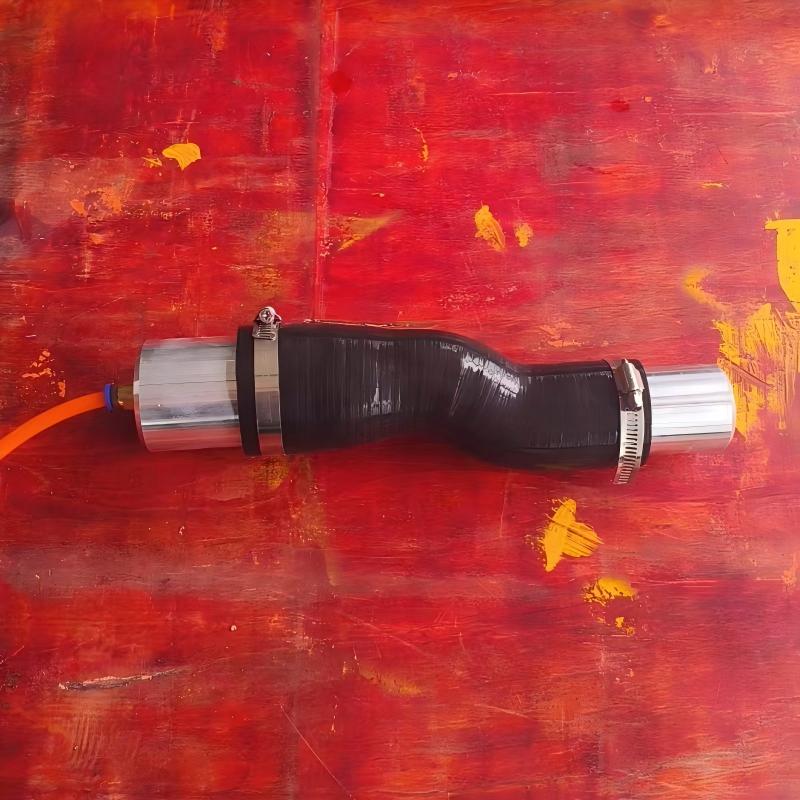
silicone hose with testing fixture
3. Test Conditions
The hose was subjected to stepwise vacuum loading under controlled conditions:
| Vacuum Level | Duration | Evaluation Method | Result | Safety Margin |
|---|---|---|---|---|
| -6 KPa | 30 min | Visual inspection (no deformation) | PASS | Customer requirement |
| -15 KPa | 30 min | Visual inspection (no deformation) | PASS | 250% |
| -30 KPa | 30 min | Visual inspection (no deformation) | PASS | 500% |
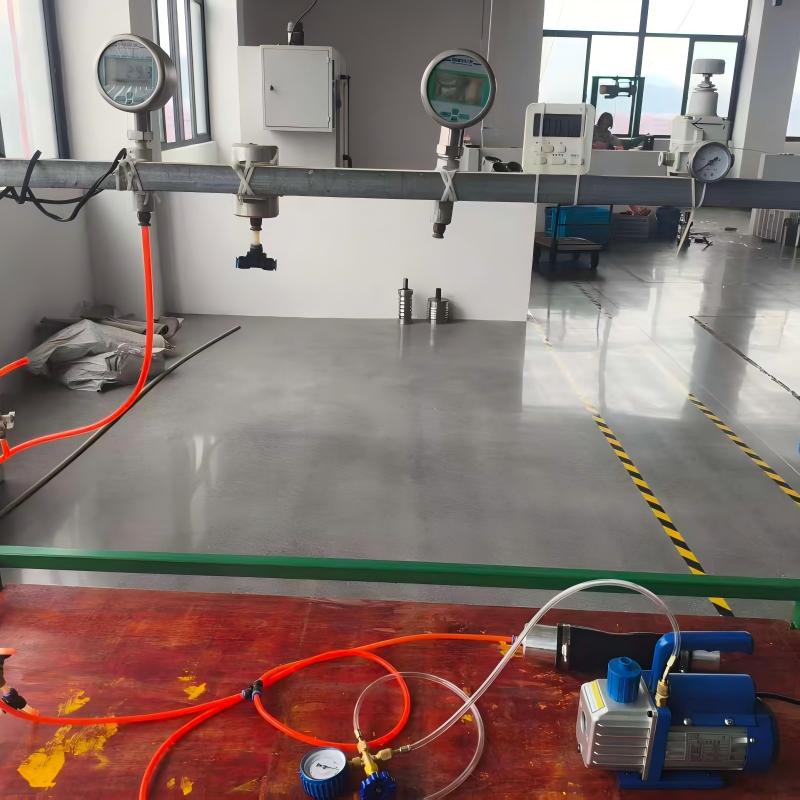
vacuum test setu
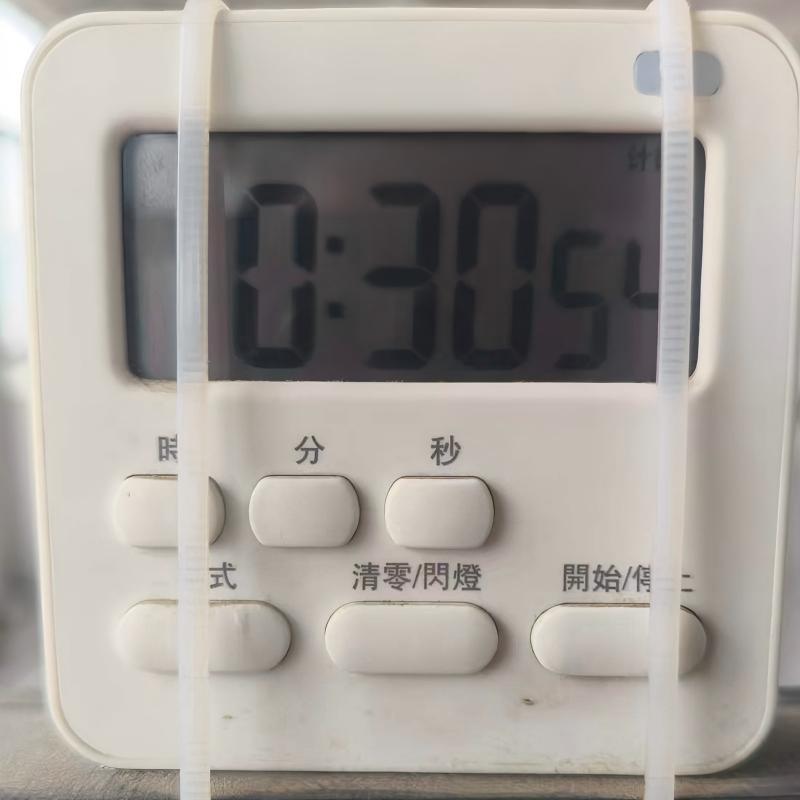
Timer
4. Test Results
Under all applied negative pressure conditions, the hose maintained full structural stability:
- No collapse observed at any vacuum level
- No visible deformation or shape distortion
- Stable performance under prolonged vacuum exposure
- Structural integrity maintained even at 500% safety margin
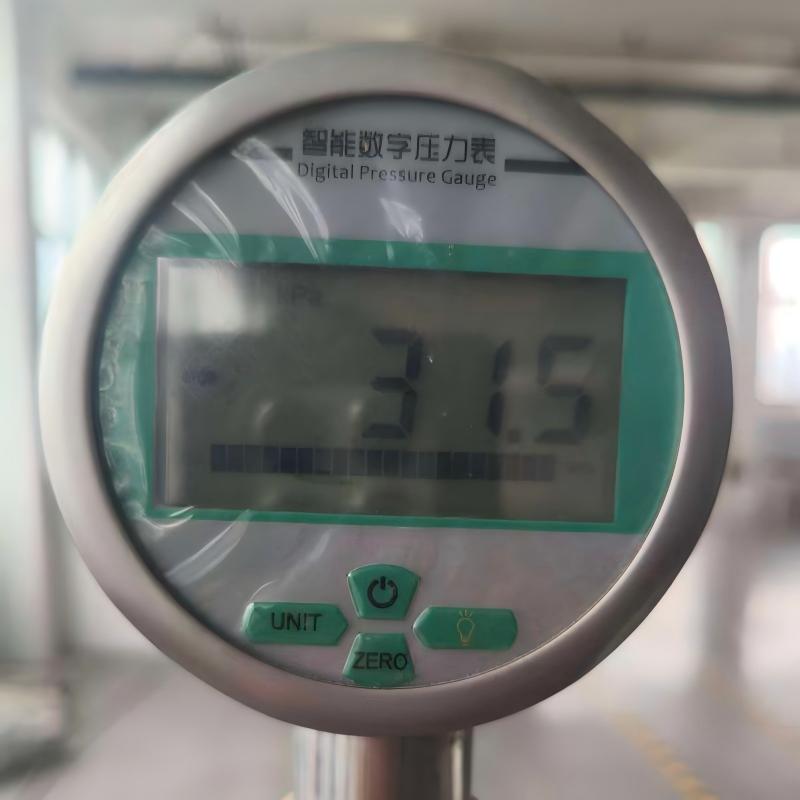
Vacuum pressure gauge
silicone hose with testing fixture
5. Engineering Interpretation
This test demonstrates that the 4-layer reinforced silicone hose structure provides:
- Strong resistance against vacuum-induced collapse
- Excellent shape retention under bent geometry
- Stable internal airflow path under suction conditions
- High safety margin beyond standard customer requirements
Even under -30 KPa vacuum pressure, the hose maintained full functionality without structural failure.
 Do you need -30KPa siliconehose?
6. Application Relevance
This vacuum-resistant performance is critical for:
- Turbocharger intake systems
- Engine vacuum lines
In these applications, hose collapse can directly lead to airflow restriction and system instability.
7. Key Takeaway
This test confirms that the silicone hose is not only pressure-resistant, but also highly stable under negative pressure conditions, making it suitable for demanding automotive and industrial environments.
8. Conclusion
The tested silicone hose successfully passed all vacuum resistance levels up to -30 KPa with a safety margin of 500%, demonstrating excellent structural stability, durability, and engineering reliability.