Hotop Silicone Hose



Blog
Insights and practical knowledge from a silicone hose manufacturer.
Explore our experience in manufacturing, materials, quality control, testing, and silicone hose applications.

Thickness Control for Quality Stability & Consistency
Thickness Control for Quality Stability & Consistency To ensure superior quality stability and batch consistency of silicone hoses, HOTOP has formulated unified internal standard thicknesses for silicone layers and reinforcement layers. This standardized configuration greatly optimizes our mass production process. Production Advantages of Standard Thickness 1. Stable material preparation Most product lines follow these unified thickness standards. Through long-term repetitive …

Quality Stability and Consistency
Quality Stability and Consistency: How We Control the Details in OEM Silicone Hose Manufacturing Stable quality does not happen at the final inspection. It is built into the process, step by step. In OEM silicone hose manufacturing, quality stability and consistency are the foundation of everything else. If quality is not stable, production cannot be stable. If production is not …
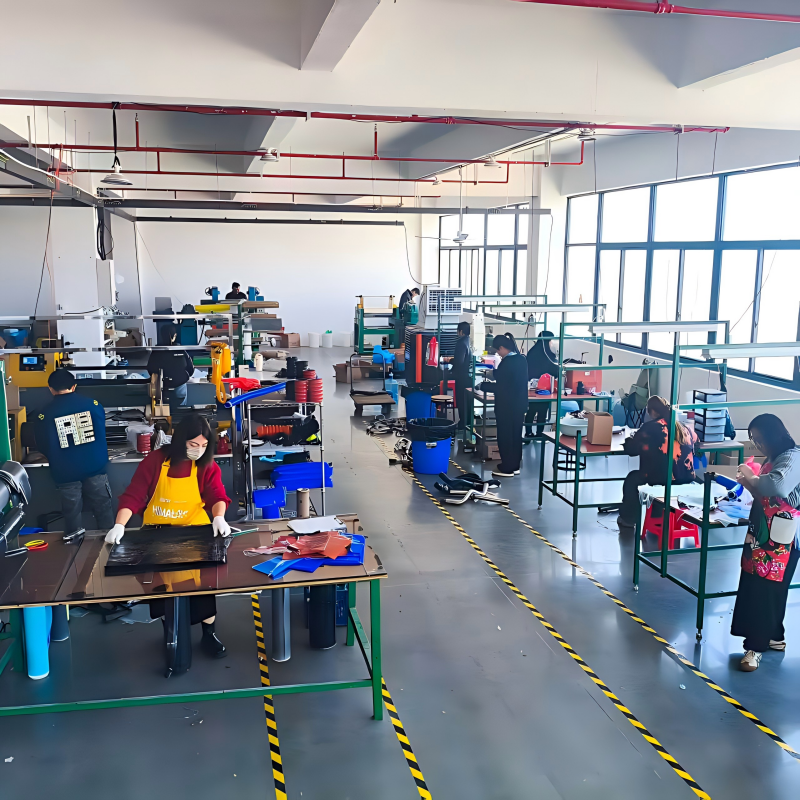
Staff Retention & Promotion in Silicone Hose Manufacturing
Staff Retention & Promotion in Silicone Hose Manufacturing Skilled Workforce Supporting Stable Silicone Hose Manufacturing People are one of the most important assets in manufacturing, especially in silicone hose production where many processes require skilled operators and practical experience. As an experienced silicone hose factory, our manufacturing processes involve multiple hands-on operations, including material preparation, reinforcement wrapping, hose forming, and …
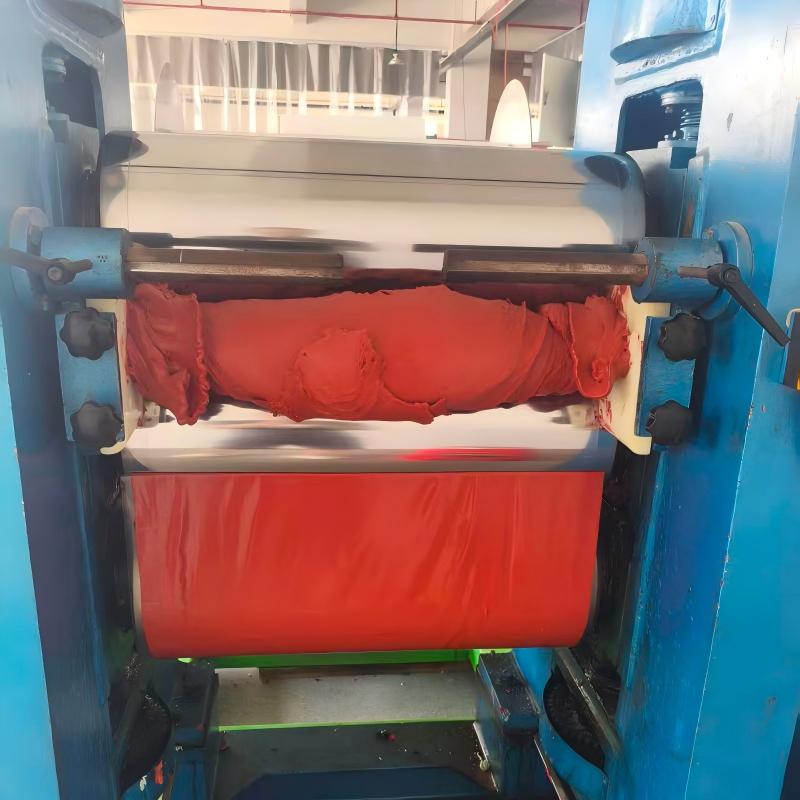
Calendering Thickness Control for Multi-Layer Silicone Hoses
Calendering Thickness Control for Multi-Layer Silicone Hoses Overview of Silicone Hose Calendering Structure Silicone hoses consist of an inner silicone layer, intermediate reinforcement layers and an outer silicone layer. Every single layer is produced by calendering raw materials. The calendering process exerts major influences on three key indicators: Individual layer thickness Interlayer bonding strength The stretch performance of reinforcement fabrics …
PPAP & APQP at HOTOP
PPAP & APQP at HOTOP Practical Quality Planning and Production Approval in Silicone Hose Manufacturing Introduction In automotive and new energy applications, silicone hoses are not treated as standard catalog products.At HOTOP, APQP and PPAP are applied as practical tools to ensure each hose design, process, and production batch meets customer requirements before mass production begins. Our approach focuses on …

Hydrogen Fuel Cell Silicone Hose– High Purity, Low Permeation & Long-Life Design
Hydrogen Fuel Cell Silicone Hose– High Purity, Low Permeation & Long-Life Design Introduction Hydrogen fuel cell systems require silicone hoses that operate under high purity air, elevated temperatures, and pressure pulsation, while maintaining extremely low contamination and long-term reliability. HOTOP develops hydrogen fuel cell silicone hoses using a systematic engineering approach, ensuring compliance with automotive and industrial standards. Key Technical …

Silicone Hose Failure Modes & Root Causes
Silicone Hose Failure Modes & Root Causes Introduction Silicone hoses are widely used in automotive, industrial, and EV applications. However, failures can occur if design, materials, or manufacturing are not optimized. Understanding failure modes and root causes is key to long-term reliability. Common Failure Modes »Cracking & Surface Degradation – Caused by thermal aging and excessive temperature cycles. »Delamination – …

Why Silicone Hose Fails in Turbo Systems
Why Silicone Hose Fails in Turbo Systems– Failure Modes, Causes and Engineering Solutions Introduction Turbocharger systems place extreme demands on silicone hoses due to high temperature, pressure pulsation, oil mist exposure, and vibration.Although silicone hose is widely used for turbo and charge air applications, premature failures still occur when material selection, structure design, or validation is insufficient. At HOTOP, turbo …

Why Silicone Hose Delaminates – Root Causes and Engineering Solutions
Why Silicone Hose Delaminates– Causes, Risks and Engineering Prevention. Introduction Silicone hose delamination is a common but often misunderstood failure mode in automotive, industrial, and hydrogen fuel cell applications.It occurs when bonding between silicone layers or between silicone and reinforcement weakens, leading to separation under heat, pressure, or long-term aging. At HOTOP, delamination is treated as a system-level engineering issue, …

Why Hydrogen Energy Needs Food‑Grade Linings
Hydrogen systems (from fuel stations to industrial piping) often use food grade inner linings — because these linings meet a set of properties: low permeability, low extractables/outgassing, chemical inertness, smooth surfaces, and regulatory traceability. The result: safer, cleaner, and more reliable hydrogen handling. Why choose food-grade materials for hydrogen? 》Low contamination risk:Food-grade materials are formulated and tested to release minimal …
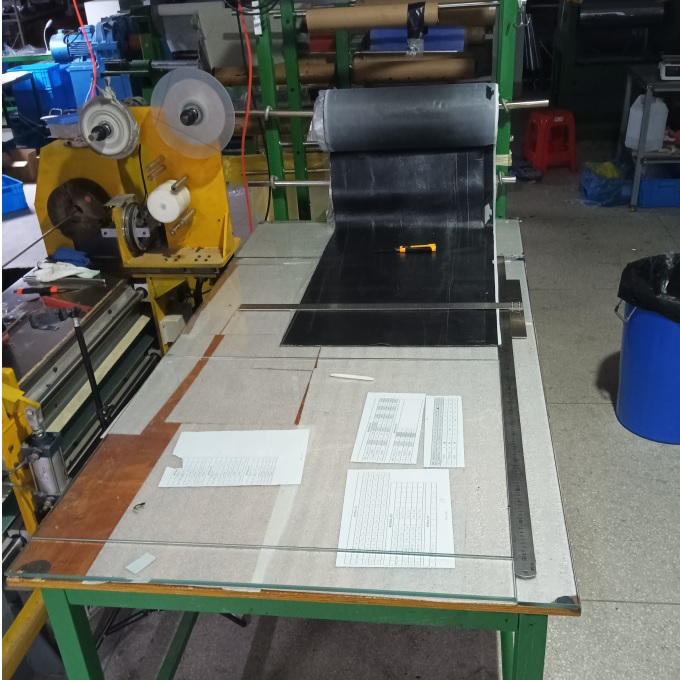
Cutting Material Table
Cutting material table is to cutting material sizes, it can cut 2 meter length and 1 meter width. We will cut the silicone hose material with WI requirement, And there is general dimension and requirement under the table.
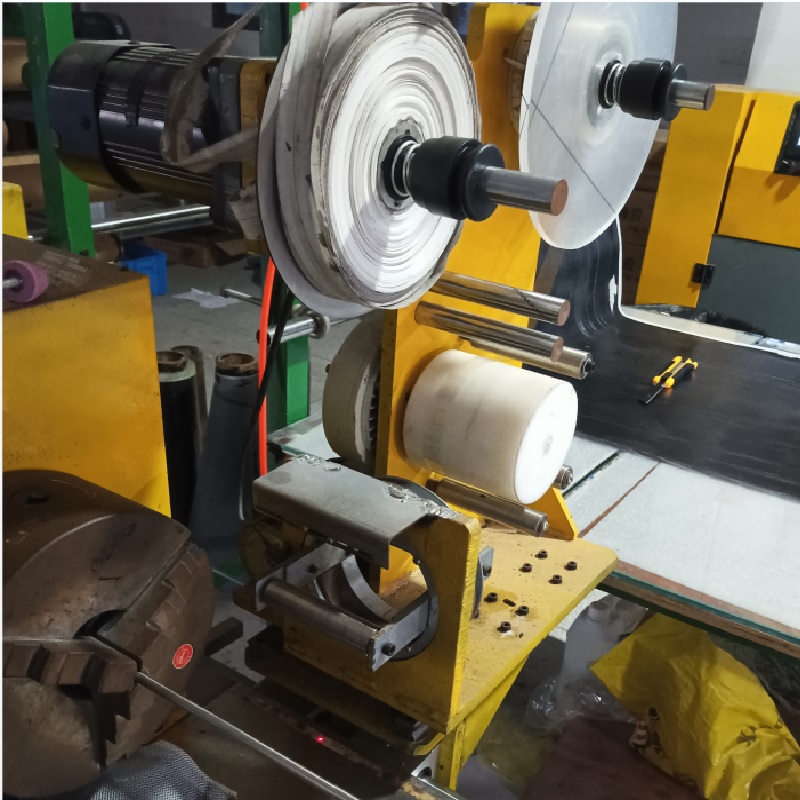
Silicone Hump Hose Machine
Silicone Hump Hose Machine have advantages and function of straight silicone hoses machine including manufacturing straight silicone hose and pre-form silicone hoses, silicone hump hose machine have special components which support the machine to make silicone hump hoses. With the continuous development of technology, silicone hose equipment is updated and iterated every year. As a silicone hose factory, hotop meets …
Copyright©2025 | Hotop Silicone Hose | Sitemap |