




Product Categories
- Automotive Silicone Hose (13)
- Custom Silicone Hose (9)
- Performance Silicone Hose (7)
- Silicone Hose (27)
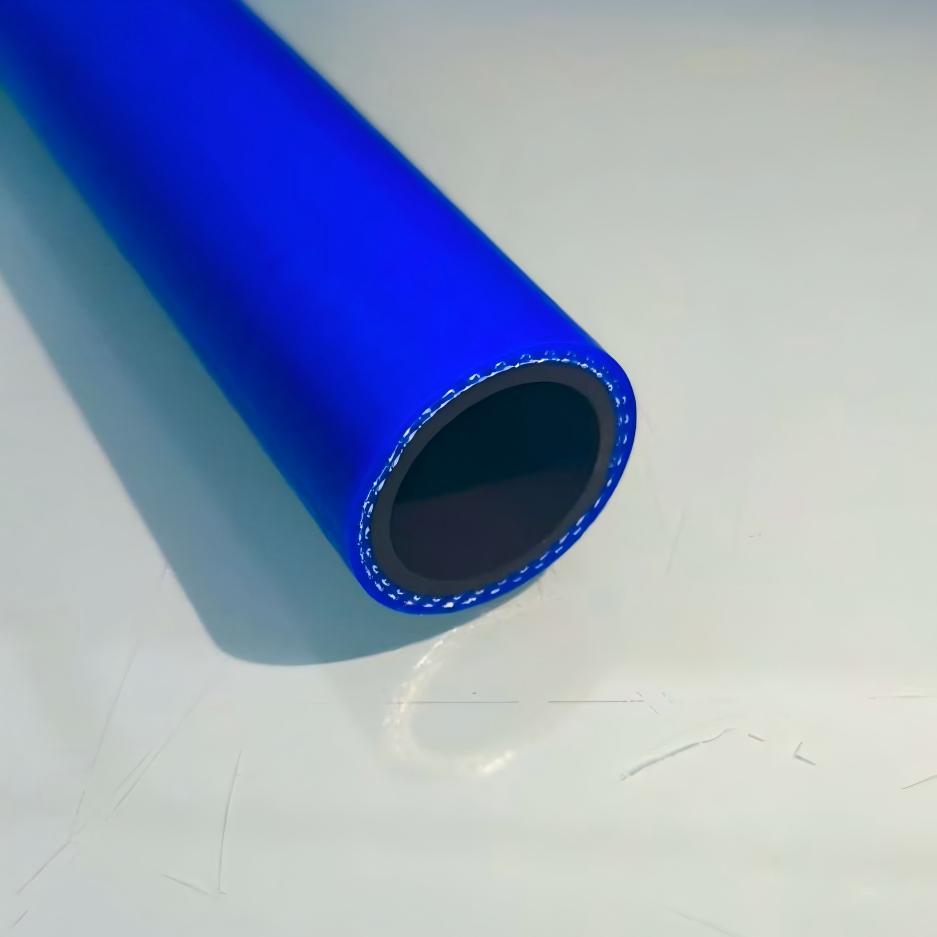
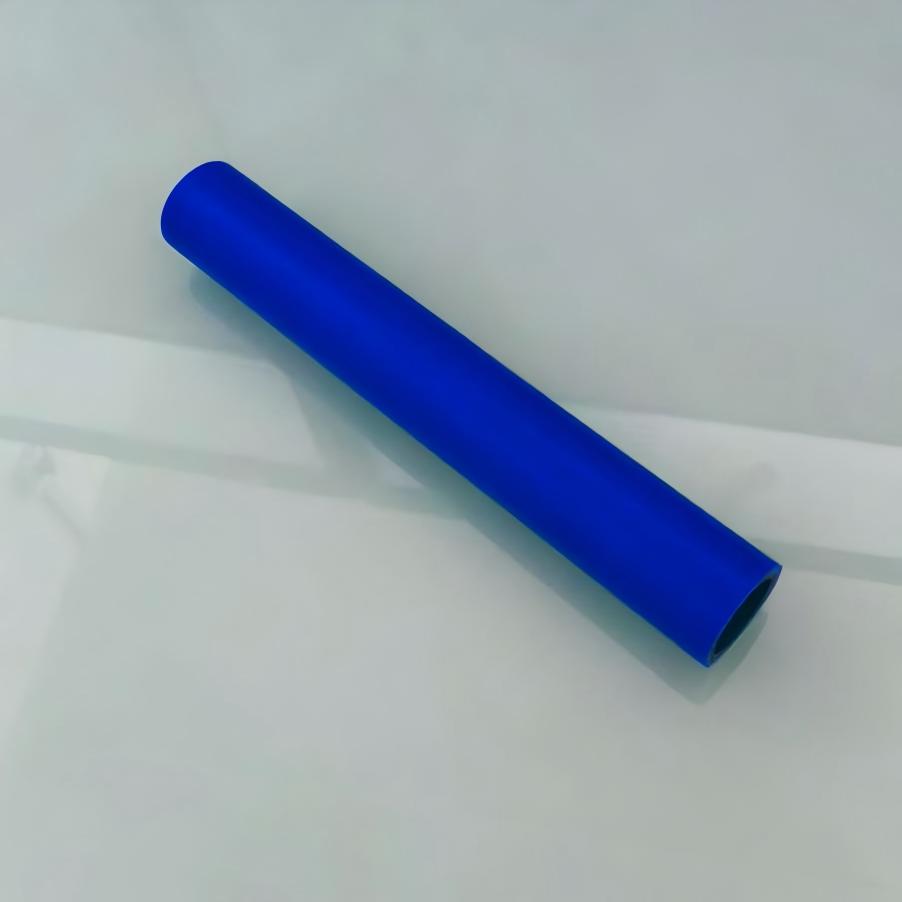
HOTOP FKM-lined silicone hose is a high-performance composite hose engineered for demanding fluid and gas systems, especially hydrogen transmission and fuel cell applications. Featuring an inner FKM (fluoroelastomer) liner bonded to a reinforced silicone outer layer, this design achieves excellent chemical resistance, low permeation, superior gas tightness, and minimal outgassing — critical for high-purity and safety-sensitive applications such as hydrogen pipelines and fuel cell systems.
enquiry»Provides exceptional resistance to hydrogen, fuels, oils, solvents, and gases.
»Offers very low permeation rates compared to unlined silicone, significantly reducing hydrogen loss through the hose wall.
»FKM’s stable chemical structure contributes to extremely low chemical leaching and outgassing, supporting system purity and safety.
»The reinforcement layer (e.g., polyester/aramid) provides controlled mechanical strength, pressure capacity, and dimensional stability under dynamic operation.
»The silicone outer elastomer maintains thermal flexibility, ozone/UV resistance, and structural resilience over wide temperature ranges.
This engineered composite structure combines the best attributes of FKM’s chemical barrier properties with silicone’s mechanical and thermal performance, making it suitable for advanced hydrogen systems.
FKM lined silicone hose
FKM line silicone hose for hydrogen fuel cell
Key Performance Characteristics
| Property / Metric | Typical Engineering Value | Relevance for H₂ Systems |
|---|---|---|
| Operating Temperature | Application dependent (e.g., −40 °C to +177 °C) | Maintains mechanical integrity across thermal cycles |
| Chemical Resistance | Excellent (fuels, gases, solvents) | Critical for long-term system purity |
| Permeation & Gas Tightness | Low (substantially reduced vs. unlined silicone) | Minimizes hydrogen loss, enhances safety |
| Outgassing | Very low | Supports high-purity operations with minimal contamination |
| Reinforcement Options | Polyester, Aramid or custom | Enables application-specific pressure and dynamic requirements |
To ensure system reliability and compliance with hydrogen transmission requirements, the following engineering tests are recommended:
»Quantitative evaluation of hydrogen permeation rates under operational conditions.
»Helium or hydrogen leak testing (e.g., vacuum decay or sniffing) to verify gas tightness.
»Measurement of chemical species emitted under elevated temperature and flow conditions.
»Validation for use in systems where contamination control is required.
»Static and dynamic pressure tests to confirm working pressure limits and safety margins.
»Burst tests to establish failure thresholds under over-pressure conditions.
»Repeated high/low temperature cycles to assess mechanical integrity and liner-bond durability.
»Ensures performance stability in thermal transient environments.
These test protocols help support technical approvals, qualification reports, and system certification for hydrogen and fuel cell OEMs.
»Hydrogen feed lines and auxiliary gas circuits
»Reformer and purge gas connections
FKM-lined hose delivers low permeation and high gas tightness, reducing hydrogen loss and improving system efficiency.
»Gas transmission and distribution manifolds
»Industrial gas blending and purge systems
The combination of low outgassing and excellent sealing supports high-purity gas transfer in industrial environments.
»Integration in fuel cell vehicle (FCV) hydrogen lines
»Secondary gas circuits in hybrid powertrain systems
The engineered hose meets both chemical stability and mechanical durability demands of automotive OEMs.
FKM-lined silicone hoses can be tailored to meet specific engineering constraints:
»Custom inner diameters, wall thicknesses, and lengths
»Reinforcement options for higher pressure or dynamic vibration tolerance
»Special surface finishes and marking for traceability
»Material compounds optimized for purity requirements
Engineering consultation is available to align hose design with system pressure profiles, temperature extremes, chemical exposure, and safety standards.
Hoses are manufactured under controlled processes with:
»Incoming material inspection and traceability
»In-process quality monitoring
»Final leak/permeation testing and certification
Test reports can be supplied to support OEM qualification, PPAP, and quality audits.