Hotop Silicone Hose



Cooling Systems Silicone Hose Solutions
Engine Cooling, Radiator & Heat Management Silicone Hose Engineering
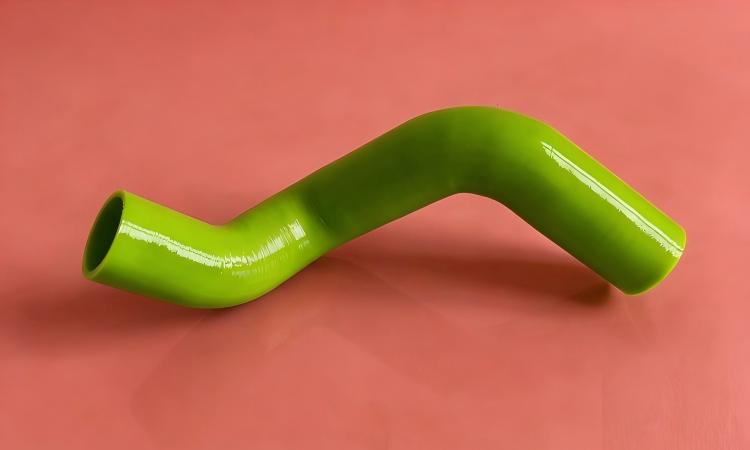
Cooling System
1. Overview | Engine Cooling System Requirements
Engine cooling systems operate as a thermal stability control network, ensuring safe engine operation under continuous heat load.
Silicone hoses used in cooling systems must maintain:
»Stable coolant circulation under pressure
»Long-term heat resistance under engine bay temperature
»Vibration resistance from engine movement
»Chemical stability against coolant additives (ethylene glycol, corrosion inhibitors)
Compared with EPDM rubber hoses, silicone hoses provide significantly improved performance in high-temperature and long-life applications.
2. Cooling System Working Environment
2.1 Temperature Conditions
Cooling system hoses operate under fluctuating thermal conditions:
»Coolant operating temperature: 85°C – 110°C
»Engine bay ambient temperature: -40°C to 150°C
»Hot spot areas near turbo / exhaust: up to 200°C
»Cold start conditions: -30°C or lower
Engineering requirement:
High-performance silicone coolant hoses typically support:
-60°C to 200°C / 230°C short-term exposure
2.2 System Pressure Conditions
Cooling systems are pressurized to improve boiling point and heat transfer efficiency.
»Passenger vehicles: 0.8 – 1.5 bar (12–22 psi)
»Heavy-duty vehicles: 1.5 – 2.5 bar (22–36 psi)
»Performance / turbo systems: up to 3.0 bar localized peaks
Key engineering issue:
Pressure increases significantly when coolant temperature rises above 100°C.
2.3 Thermal Cycling Stress
Cooling hoses must withstand repeated cycles:
»Cold start → rapid heating
»Highway load → high temperature stabilization
»Engine shutdown → heat soak effect
This creates:
»Expansion/contraction fatigue
»Clamp sealing stress variation
»Material aging acceleration
3. Silicone Hose Engineering Design
3.1 Material Composition
Cooling system silicone hoses are typically made from:
»VMQ high-temperature silicone rubber
»Optional fluorosilicone inner layer (improved chemical resistance)
»Anti-aging and anti-oxidation additives
Advantages:
»Excellent thermal stability
»Long service life
»Resistance to cracking and hardening
3.2 Reinforcement Structure
To withstand system pressure and vibration:
»2-ply → light-duty coolant transfer
»3-ply → standard automotive cooling systems
»4-ply → heavy-duty / turbo-assisted systems
»5-ply → high vibration / performance engines
Engineering function:
»Prevent hose expansion under pressure
»Maintain flow stability
»Improve burst resistance
»Enhance vibration fatigue life
3.3 Pressure Performance
»Working pressure: 0.8 – 2.5 bar
»Burst pressure: 6 – 15 bar (depending on reinforcement)
»Safety factor: ≥3x operating pressure
4. Technical Performance Data
| Property | EPDM Rubber Hose | Silicone Cooling Hose |
|---|---|---|
| Temperature Range | -40°C to 120°C | -60°C to 200°C / 230°C |
| Pressure Resistance | Medium | High |
| Aging Resistance | Medium | High |
| Flexibility at Low Temp | Poor | Excellent |
| Lifespan | 3–5 years | 5–10+ years |
| Chemical Stability | Medium | High (coolant compatible) |
5. Cooling System Applications
5.1 Radiator Hose System
»Upper radiator hose
»Lower radiator hose
»Radiator inlet/outlet connections
Engineering focus:
»High flow efficiency
»Pressure stability under thermal expansion
»Long-term heat resistance
5.2 Engine Coolant Circuit
»Engine block coolant lines
»Water pump connections
»Thermostat housing hoses
Engineering focus:
»Continuous heat cycling resistance
»Vibration fatigue durability
»Leak-free sealing performance
5.3 Heater System
»Heater core inlet/outlet hoses
»Cabin heating circulation lines
Engineering focus:
»Stable low-flow coolant transfer
»Flexible routing in tight engine bays
5.4 Auxiliary Cooling Systems
»Oil cooler coolant lines
»Transmission cooler hoses
»EGR cooling systems
Engineering focus:
»Chemical resistance
»High temperature endurance
»Long service life under continuous load
6. Failure Modes & Engineering Solutions
6.1 Hose Cracking (Aging Failure)
Cause:
»Long-term thermal oxidation
»Low-quality rubber materials
Solution:
»Silicone elastomer upgrade
»Anti-aging formulation
6.2 Hose Swelling or Softening
Cause:
»Excessive coolant temperature or chemical degradation
Solution:
»Reinforced multi-ply structure
»Fluorosilicone inner layer option
6.3 Clamp Leakage / Blow-off
Cause:
»Pressure spike + improper installation
Solution:
»T-bolt clamp system
»Bead-rolled pipe connection
»Proper torque installation
6.4 Coolant Permeation (Long-term loss)
Cause:
»Material permeability differences vs rubber
Solution:
»High-density silicone formulation
»Regular maintenance inspection
7. Engineering Selection Guidelines
When selecting silicone hoses for cooling systems, consider:
»Maximum coolant temperature + safety margin
»System pressure under full load
»Hose diameter vs coolant flow rate
»Routing complexity and bend radius
»Engine vibration level
»Compatibility with coolant additives (OAT/HOAT/ethylene glycol)
8.HOTOP Engineering Capability
We provide customized cooling system silicone hose solutions for OEM and aftermarket applications:
»Custom molded radiator hoses
»Multi-diameter coolant hose assemblies
»High-temperature reinforced coolant systems
»OEM reverse engineering support
»Material optimization for specific coolant types
9. FAQ
Q1: What temperature can silicone cooling hoses withstand?
Silicone cooling hoses typically operate between -60°C and 200°C, with short-term resistance up to 230°C.
Q2: Are silicone hoses better than rubber coolant hoses?
Yes. Silicone offers higher temperature resistance, longer service life, and better aging resistance.
Q3: Do silicone hoses increase cooling performance?
Indirectly yes. They maintain stable flow under heat and pressure, reducing risk of deformation and leakage.
Q4: Can silicone hoses be used in all cooling systems?
They are suitable for most automotive and industrial cooling systems, but must be properly selected based on pressure and chemical exposure.
10. Conclusion
Cooling systems require hoses that can withstand continuous thermal cycling, system pressure, and long-term aging stress.
Engineering-grade silicone hoses provide:
»Stable operation under high temperature
»Reliable pressure resistance
»Extended service life
»Improved system durability and safety
Copyright©2025 | Hotop Silicone Hose | Sitemap |